Humans make mistakes. We all know it, and yet so often downplay this in our team processes. Doubly so in this age of assuming we’ll always notice the errors from AI and automation in code review. One of the marks of a good system is how it handles our inherent human fallibility. This talk will discuss how cognitive biases create common failure modes, principles for building resilient systems through checklists and objective measurements, and how all of this affects us as individuals. As we are asked to move faster and faster, relying on permanent hyper-vigilance leaves an increasing and worrying burden on us all.
We are all being pushed to work faster and with more automation than ever before. With this, we are increasingly experiencing failures in our processes and team cultures. One of the marks of a good system, be it technological, biological, or social, is how it reacts to those failures and what kinds of protections are in place to catch problems before they become critical. Not every failure point revolves around humans, but these are often the most complex and sensitive to plan for. We will cover common cognitive biases and how they lay the foundations for categories of mistakes we can all make. Then we’ll discuss structural improvements such as checklist culture and objective measurements which can fight against those biases. And finally we’ll go through how we can support each other with healthy review processes, as well as looking at the ways that unhealthy processes can lead to burnout.

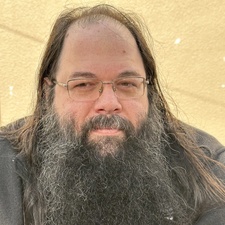
Noah Kantrowitz is a web developer turned infrastructure automation enthusiast, and all around engineering rabble-rouser. By day he runs infrastructure at Geomagical/IKEA and by night he makes candy and stickers. He is an active member of the DevOps community, and enjoys merge commits, cat pictures, and beards.